
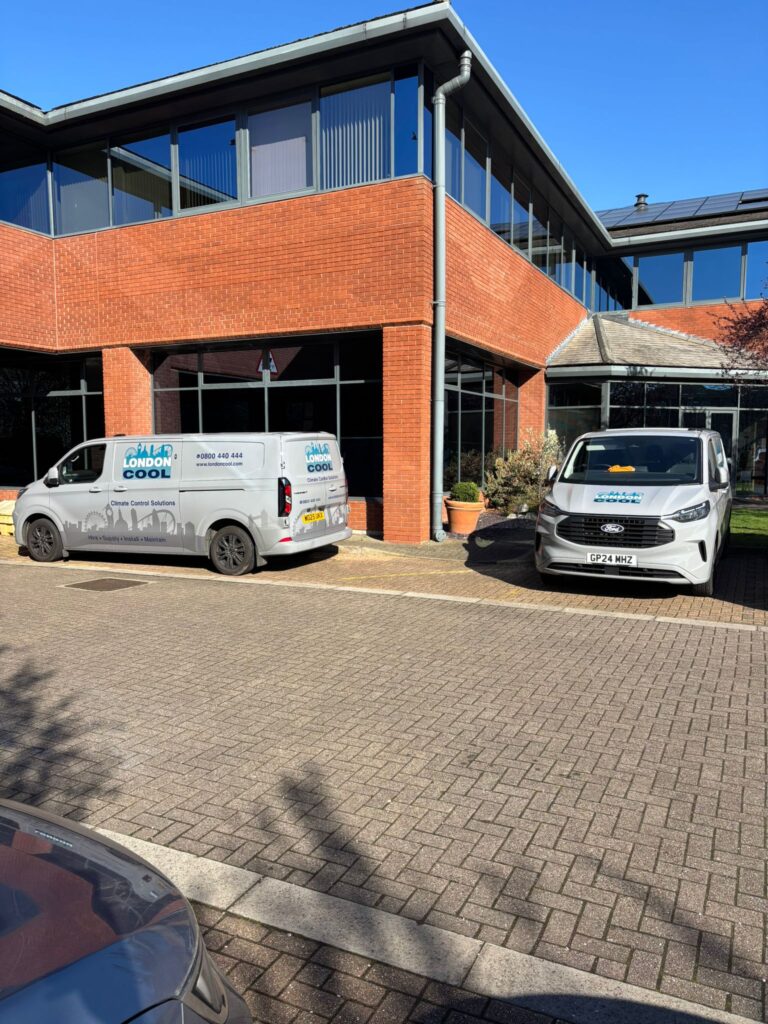
Commercial HVAC systems play a critical role in maintaining comfort, efficiency and performance within modern buildings.
Across the UK, businesses rely on commercial air conditioning systems and ventilation to support daily operations. However, many common issues are not always caused by equipment failure – they are often the result of how systems are used, maintained or managed over time.
Understanding some of the more common mistakes can help to improve HVAC system efficiency, performance, reduce costs and avoid unnecessary disruption.
Over-Relying on One Central Control Point
In some buildings, a single controller is used to manage multiple areas or floors.
While this approach may seem efficient, it often limits flexibility and can affect the performance of commercial HVAC systems across different spaces.
Different areas of a building typically have varying requirements depending on occupancy and usage. Introducing more localised control can significantly improve air conditioning system performance, usability and user comfort.
Ignoring Small Changes in Air Conditioning System Performance
Many issues in commercial air conditioning systems don’t appear suddenly – they develop gradually.
Reduced airflow, inconsistent temperatures or slower system response times are often early warning signs. Ignoring these can lead to reduced efficiency and potential system failure.
Regular monitoring and early intervention are key parts of effecting HVAC maintenance for businesses.
Incorrect System Settings
Incorrect or inconsistent settings are one of the most common causes of inefficiency in commercial air conditioning.
Lowering temperatures too far, frequent manual adjustments or conflicting zone settings can all increase energy consumption and reduce comfort levels.
Ensuring systems are correctly configured helps maintain energy-efficiency air conditioning and consistent indoor conditions.
Lack of Regular Air Conditioning Maintenance
Routine commercial air conditioning maintenance is essential for long-term performance.
Without regular servicing, systems can become less efficient due to blocked filters, reduced airflow or worn components. This can lead to higher energy costs and reduced reliability.
Scheduled HVAC maintenance for commercial buildings helps identify issues early and ensures systems are ready for peak demand periods.
Not Preparing for Seasonal Demand
Cooling demand can rapidly increase as temperatures rise during the warmer months.
Businesses that delay servicing or system checks may find themselves reacting to problems rather than managing them proactively.
Planning ahead – whether through maintenance, upgrades or temporary solutions – allows for a more controlled and reliable approach and avoids disruption during a period of high-demand.
Final Thoughts
Commercial air conditioning systems are a critical part of building performance and day to day function.
In many cases, improving air conditioning efficiency does not require major upgrades – it comes down to better system management, regular maintenance, and planning ahead.
Taking a proactive approach can make a significant difference to comfort, efficiency and overall reliability.
